Home/Plumbing guides/How to find a hidden water leak
Plumbing guide
How to find a hidden water leak
A higher water bill or the sound of water running when nothing is on are the usual first clues. Your water meter can tell you in two hours whether you have a leak.
The short answer
Turn off every faucet and water-using appliance, read your water meter, wait two hours without using water, and read it again. If it moved, you have a leak. Then check the usual suspects: toilets (dye test), dripping faucets and showerheads, and outdoor hoses and irrigation. Leaks you cannot find, damp walls or floors, or a meter that spins fast mean call a plumber.
Why small leaks matter
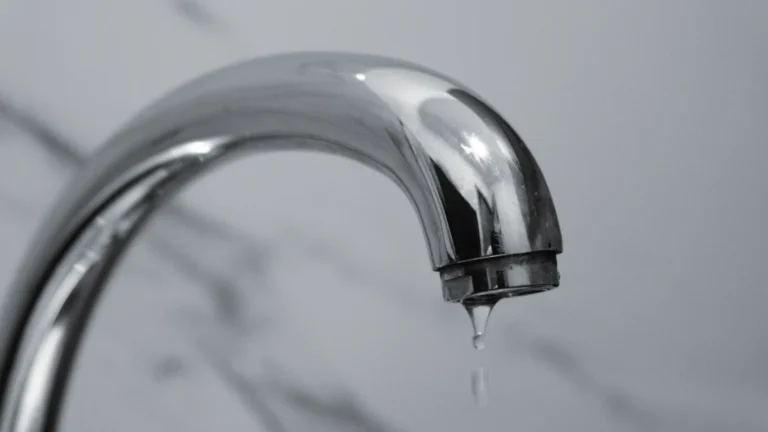
EPA WaterSense estimates that household leaks waste nearly 1 trillion gallons of water a year across the country, and that an average household’s leaks can waste more than 9,300 gallons a year. About nine percent of homes have leaks that waste 50 gallons or more a day. Fixing easily corrected leaks can save about 10 percent on water bills, EPA says. Hidden leaks can also cause rot, mold and damage long before you see them.
1. The water meter test
EPA’s test: read your water meter before and after a two-hour period when no water is being used. If the reading changes, you probably have a leak. Many meters also have a small leak-indicator dial – often a triangle or star. The City of Tampa says that if it moves while all water inside and outside is off, you may have a leak.
To narrow it down, close the main shut-off valve inside the house and watch the meter again. If it still moves, the leak may be in the underground line between the meter and the house. If it stops, the leak is inside.
2. Check your winter water use
EPA suggests looking at your water use in a cold month like January or February, when there is little outdoor watering. If a family of four uses more than 12,000 gallons a month, there could be serious leaks.
3. Toilets
Toilets are a common hidden leak. Put a few drops of food coloring in the tank; if color appears in the bowl within 10 minutes without flushing, it is leaking, EPA says. Our running toilet guide walks through the fix.
4. Faucets and showerheads
A faucet dripping once per second can waste more than 3,000 gallons a year, and a showerhead leaking 10 drips a minute more than 500 gallons a year, according to EPA. Worn washers and gaskets are a frequent cause of faucet leaks. EPA notes that some leaky showerheads can be fixed by tightening the connection to the pipe stem and sealing it with pipe tape.
5. Outdoors
If a garden hose leaks at the spigot while running, EPA says to replace the hose washer. Irrigation systems are a big one: an irrigation leak as small as 1/32 of an inch can waste about 6,300 gallons a month. Check in-ground sprinkler systems each spring for freeze damage before turning them on.
Signs of a leak inside walls or under a slab
- Damp, stained or bubbling drywall or ceilings.
- Warped floors, or loose tiles.
- A musty smell or mold.
- Warm spots on a floor (a hot-water line under a slab).
- The sound of running water when everything is off.
- Water pooling in the yard or unusually green patches over the service line.
These need a plumber. Many plumbers use acoustic listening equipment, thermal cameras and pressure tests to pinpoint a slab leak or a leak in a wall without opening up more than necessary.
Find a plumber near you
Local plumbers by metro area, listed A to Z with phone numbers, services and emergency options.
Questions
How can I tell if I have a water leak?
Turn off all water, read your water meter, wait two hours without using water and read it again. EPA says any change suggests a leak. A moving leak indicator on the meter is another sign.
What is the most common household leak?
Toilets, dripping faucets and leaky showerheads are among the most common. Outdoors, irrigation leaks can waste a lot of water quickly.
How much water does a dripping faucet waste?
EPA WaterSense says a faucet dripping once per second can waste more than 3,000 gallons a year.
Who is responsible for a leak between the meter and the house?
In most places, the pipe on your side of the meter is the property owner’s responsibility. Check with your water utility, then call a plumber.
Related guides
Sources
Facts and figures in this guide come from these official and manufacturer sources, checked October 2026:
Updated October 2026 by the Plumbers Pages editorial team. General information for homeowners, not professional advice – codes and equipment differ, so follow your product’s manual and local rules. When gas, electricity, sewage or anyone’s safety is involved, call 911, your utility or a licensed plumber. How we write our guides · Plumbing glossary
Free plumber request
Tell us the problem. We’ll connect you with a local plumber.
- 1Tell us the job and your ZIP code
- 2We send it to listed plumbers who serve your area
- 3They contact you directly
Free, no obligation. If no listed plumber serves your area, we’ll tell you. Water pouring in? Shut off the main valve first, then call a plumber from the list.