Home/Plumbing guides/Clogged drain
Plumbing guide
Clogged drain: what to try first, and what to avoid
Most single clogged drains are hair, grease or soap near the top of the pipe. Here is what to try, what to stay away from, and the signs the problem is deeper.
The short answer
Start simple: clear the stopper or strainer, then use a plunger (a cup plunger for sinks and tubs) or a hand drain snake. Be careful with chemical drain cleaners – they are corrosive, can splash back, and must never be mixed with bleach. If more than one drain is slow or backs up, or sewage comes up in a tub or floor drain, stop using water and call a plumber.
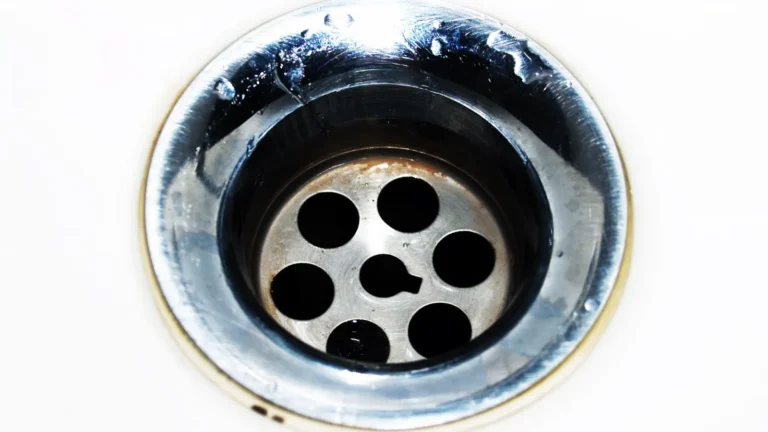
One drain or many?
This is the most useful question. A single slow sink or tub usually means a clog near that fixture. Several drains backing up at once – especially the lowest ones, like a basement floor drain or a ground-floor shower – points to the main sewer line. Portland’s Bureau of Environmental Services notes that clogged sewer pipes can send raw sewage back into homes. That is a job for a plumber, not a plunger.
1. The stopper and strainer
Bathroom sinks and tubs often clog right at the stopper, where hair collects. Pull the stopper out (many lift straight up or unscrew) and clean it. For a kitchen sink, empty the strainer basket.
2. Plunge it
Use a cup-shaped plunger for sinks and tubs and a flange plunger for toilets. Cover the overflow opening with a wet cloth so the plunger can build pressure, keep some water in the basin, and plunge firmly a dozen times. If you have a double kitchen sink, block the other side.
3. A hand snake
A small hand-crank drain snake reaches clogs a few feet down. Feed it in, turn it until you feel the clog, then pull back. Plastic barbed strips work well for hair in bathroom drains.
If you use a chemical drain cleaner
According to Poison Control, chemical drain cleaners usually contain strong acids or strong alkalis such as sulfuric acid or sodium hydroxide, and they can burn skin on contact. Poison Control advises goggles and rubber gloves, and pouring carefully and close to the drain – drain cleaner can splash back, especially when poured from too high or into a fully blocked drain.
- Never mix products. The Washington State Department of Health warns that bleach reacts with drain cleaners and acids; bleach mixed with an acid gives off chlorine gas.
- Tell the plumber if you have already used a drain cleaner, so they can protect themselves.
- If it gets on skin or in the eyes, MedlinePlus advises flushing with lots of water for at least 15 minutes. For any exposure, call Poison Control at 1-800-222-1222.
A jammed garbage disposal
InSinkErator is blunt: never put your hand inside a garbage disposal. If the motor hums or stops, its overload protector may have tripped – the red reset button on the bottom drops down about a quarter inch, and pressing it gently resets it. Turn the switch off first. If it trips again, the disposal is jammed or failing.
Keeping drains clear
- Grease goes in the trash. Portland says fats, oils and grease do not break down in water and stick to pipes; pour cooking grease into a can, let it harden and throw it away.
- Go easy on the disposal. Small food bits stick to grease in pipes and add to buildup.
- Only flush pee, poop and toilet paper. Portland warns that wipes sold as “flushable” are not truly flushable and can clog pipes and sewers.
- Use hair catchers in showers and tubs.
When to call a plumber
- Two or more drains are slow or back up at the same time.
- Water or sewage comes up in a tub, shower or floor drain when you run water elsewhere or flush.
- Gurgling from drains or toilets, or a sewage smell.
- The clog comes back again and again.
- You have used a chemical cleaner and the drain is still full of it.
A plumber may use a powered drain machine, hydro jetting or a sewer camera inspection to find and clear the blockage.
Find a plumber near you
Local plumbers by metro area, listed A to Z with phone numbers, services and emergency options.
Questions
What should I do first when a drain is clogged?
Clean the stopper or strainer, then plunge with the overflow covered. A hand snake is the next step. If several drains are slow at once, call a plumber.
Are chemical drain cleaners safe?
They are corrosive and can burn skin and eyes. If you use one, wear goggles and gloves, pour carefully and close to the drain, and never mix it with bleach or another cleaner.
Why are all my drains slow at once?
That usually means the clog is in the main drain or sewer line, not in one fixture. Stop using water and call a plumber.
Are flushable wipes safe to flush?
No. Portland’s sewer utility says wipes marketed as flushable are not truly flushable and can clog pipes and sewers. Only flush toilet paper.
Related guides
Sources
Facts and figures in this guide come from these official and manufacturer sources, checked October 2026:
- Poison Control – What's in drain cleaner
- MedlinePlus – Drainpipe cleaner poisoning
- Washington State Department of Health – Dangers of mixing bleach
- City of Portland – Fats, oils and grease
- City of Portland – What you can flush
- InSinkErator – Fixing a jammed garbage disposal
Updated October 2026 by the Plumbers Pages editorial team. General information for homeowners, not professional advice – codes and equipment differ, so follow your product’s manual and local rules. When gas, electricity, sewage or anyone’s safety is involved, call 911, your utility or a licensed plumber. How we write our guides · Plumbing glossary
Free plumber request
Tell us the problem. We’ll connect you with a local plumber.
- 1Tell us the job and your ZIP code
- 2We send it to listed plumbers who serve your area
- 3They contact you directly
Free, no obligation. If no listed plumber serves your area, we’ll tell you. Water pouring in? Shut off the main valve first, then call a plumber from the list.